
Part two of a conversation I started 2019:
almost 7 years ago exactly I published a post ON THIS SITE about craft and technology [link here] The argument was roughly this: new crafts are born constantly, we're just bad at recognising them as craft because we only see the utility, not the newborn skill embedded in a new process. The laser cutter operator who can identify Finnish grown spruce from Canadian spruce by the different smell it makes when burning. The chess programmer whose nationality is legible to a grandmaster through what Kasparov called 'national imprint'. Craft [aka. human skill], I argued, doesn't die, it just migrates.
I was thinking mostly about physical manufacturing then. Robotics and automation on factory floors. What I didn't anticipate was that possibly the most disruptive migration would happen not in how we make things, but in how we show them off.
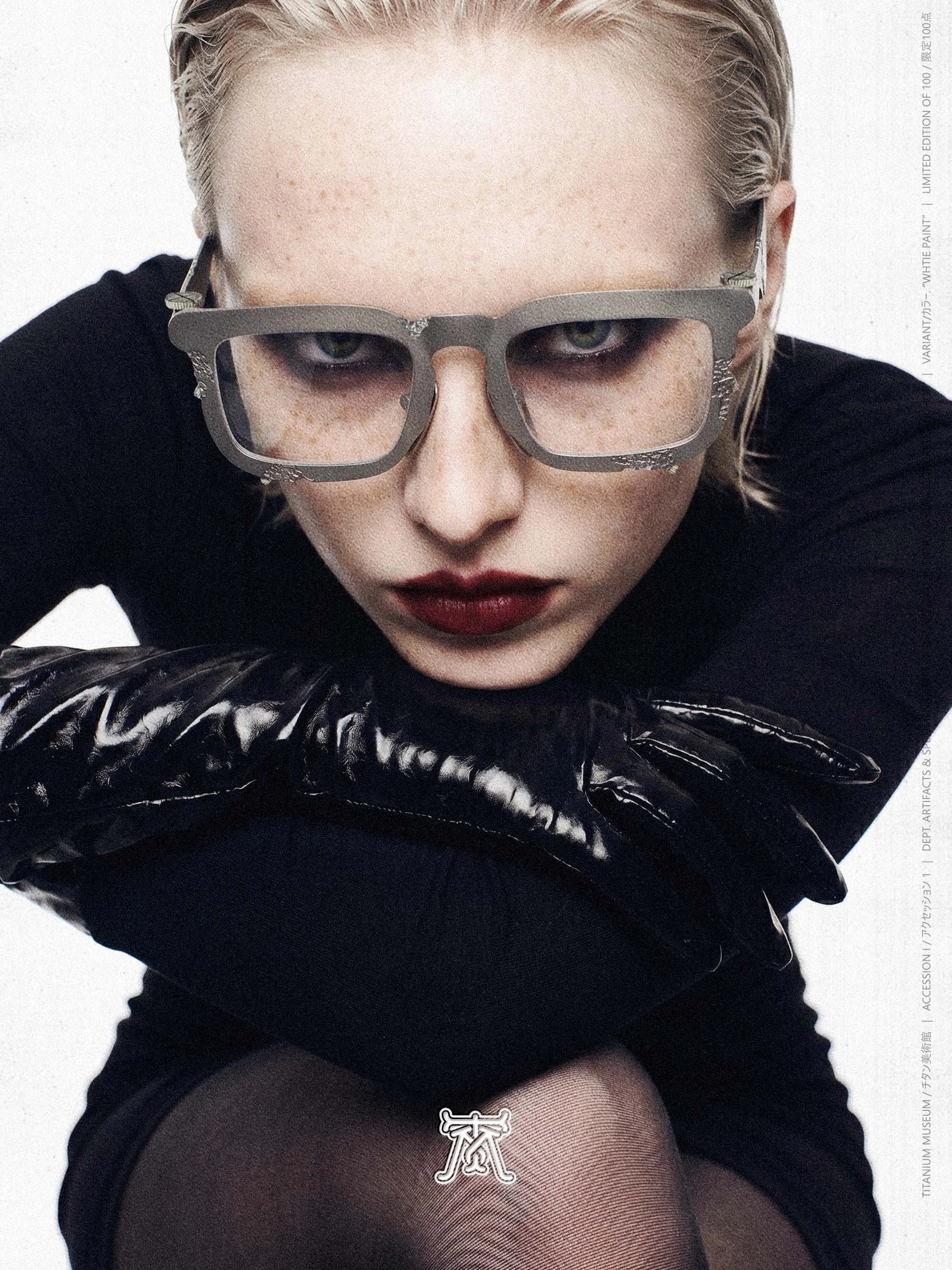
Seven years later, I've just finished an AI-generated campaign for Titanium Museum. yes ai generated. And it has taught me things about craft, technology and their relationship that I couldn't have arrived at theoretically.
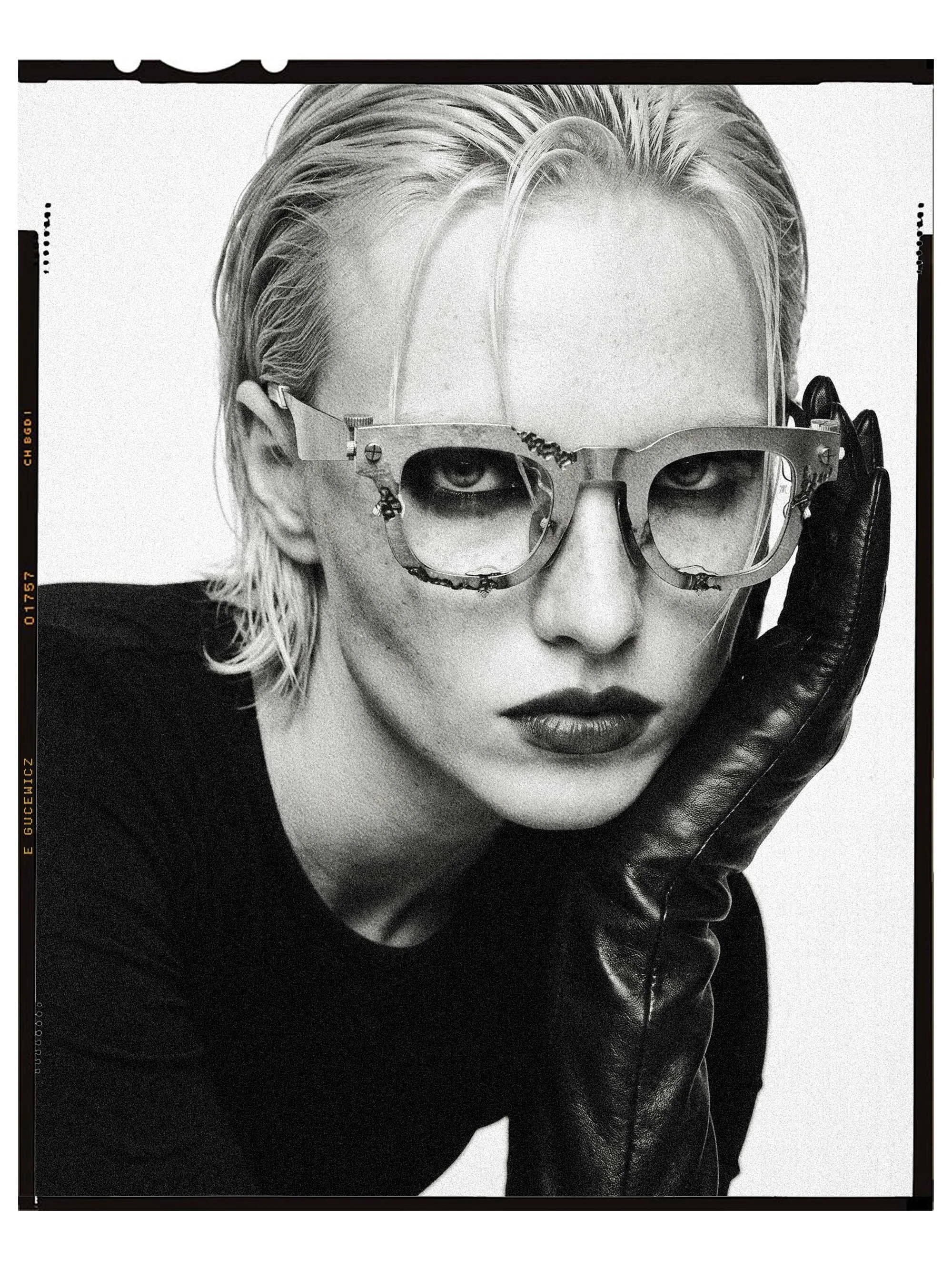
titanium museum 2026
The first thing it taught me is that working with AI is nothing like working with a machine. A machine does what you tell it. AI is more like a human-animal relationship: almost like riding a poorly trained horse. You apply pressure on one side and it may or may not compensate on the other. You think you've fixed a problem and it has quietly broken something else. You approach it expecting the compliance of a tool and find yourself in a negotiation with something that has its own logic, its own tendencies, its own bad days. Ai is more dynamic than a machine. and considerably more maddening.
The language we use around AI reflects this uneasily.
The language I use when using AI is far worse than 'uneasy' too.
We talk about AI agents and naturally impose pronouns upon it in conversation with the same spotinaity that we may attribute to an unruly animal. but it’s not an animal, It's not quite an object or tool either. Something in between that we haven't developed the right instincts for processing how to healthily interface with yet.
“I’ve heard a lot of “AI will show us who has taste - and who doesn’t” remarks over the last year or so, and I’m inclined to agree.”
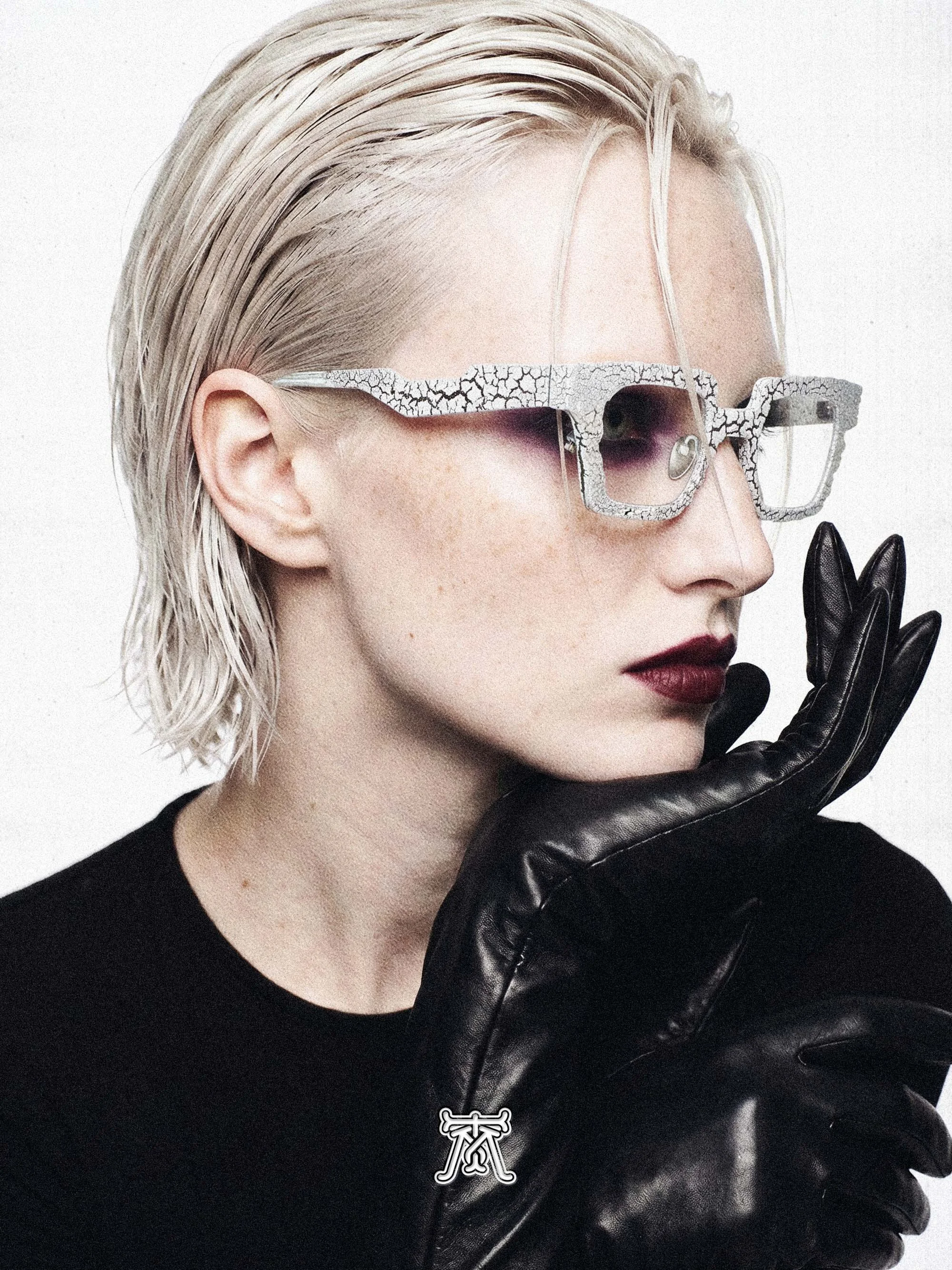
titanium museum 2026
What this means in practice is that using AI to do what i’d call a ‘good’ job is actually more work than most people assume.
The Titanium Museum campaign: 12 finished images, took days and days to complete. Each image went through multiple versions. Things that were fixed in version four would break again in version six. one scans renditions constantly for new flaws that were naughtily introduced while the AI was attempting to fix old ones. It is genuinely a new kind of work. Boring. Unglamorous, grinding in places, but skilled. Not everyone who uses these tools produces good results, and this is what my first article touched upon: the knowledge of that gap between a good machinist and a bad machinist is craft. is human skill. I've heard a lot of "AI will show us who has taste - and who doesn't" remarks over the last year or so, and I'm inclined to agree.
Conscious of this, I showed the finished titanium museum images to someone whose eye for taste I trust. Someone who, by their own admission, is quite picky about this sort of thing. Their response was “no way is this AI”.
this person was obviously wrong, and while it surprised them, It also surprised me a little - not because they believed it analogue (because despite knowing how much work went into making the image look real), but because I know that running these image through one of the many existing AI content detection tools (for example, Hive) returns a 99% probability that my image was AI-generated. there is no doubt amoung the ai’s themselves as to what is generated by their kind or what is generated by humants. Hive is not fooled. The human eye, even picky ones, apparently now are.
“AI is more like a human-animal relationship: almost like riding a poorly trained horse. You apply pressure on one side and it may or may not compensate on the other. You think you’ve fixed a problem and it has quietly broken something else.”
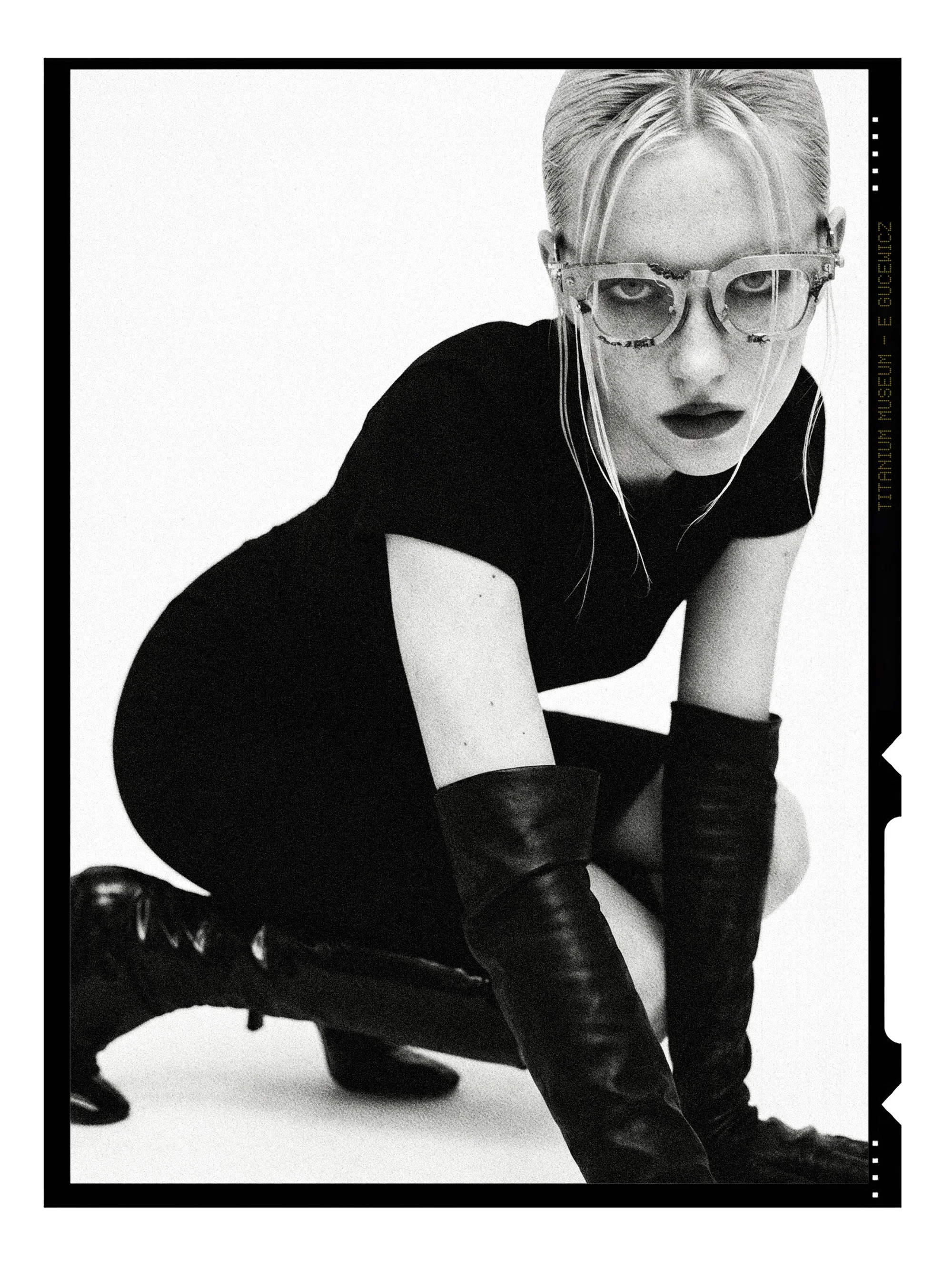
titanium museum. 2026
It's not news that we have reached a point where a well-executed AI image can - to humans- be indistinguishable from a real photograph.
So with this recurring thught in mind, over the last few months I've been running other brands' campaign imagery through Hive's tool [try it yourself here: link]. curious to see the results. I won’t share them here. but Some images that I assumed were real photographs come back flagged - perhaps unsurprisingly, but more surprisingly, some images I was certain were AI turned out not to real! Leading me to think that in several cases, when I looked at a campaign that Hive now assures me is genuine photography, I thought: that actually still looks like AI.
[working on the REASONABLY SOLID assumption hive is accurate], this raises an uncomfortable question for those brands whose content looked like ai but wasn’t: If you've spent considerable time and money on a real shoot, and the result reads as AI to a growing number of suspicious human eyes who on the whole aren’t going to check if it really was real- was it a waste of time shooting IRL in the first place?
An entire century of photographers, videographers, and image makers relentlessly honing skills and buying ever more complex digital cameras to get closer to technical perfection in photography has, in a lot of cases, arrived at the same destination LLM's have reached 50 times quicker. When you can no longer tell the difference, the temptation is to conclude that the difference stops mattering. So what now?
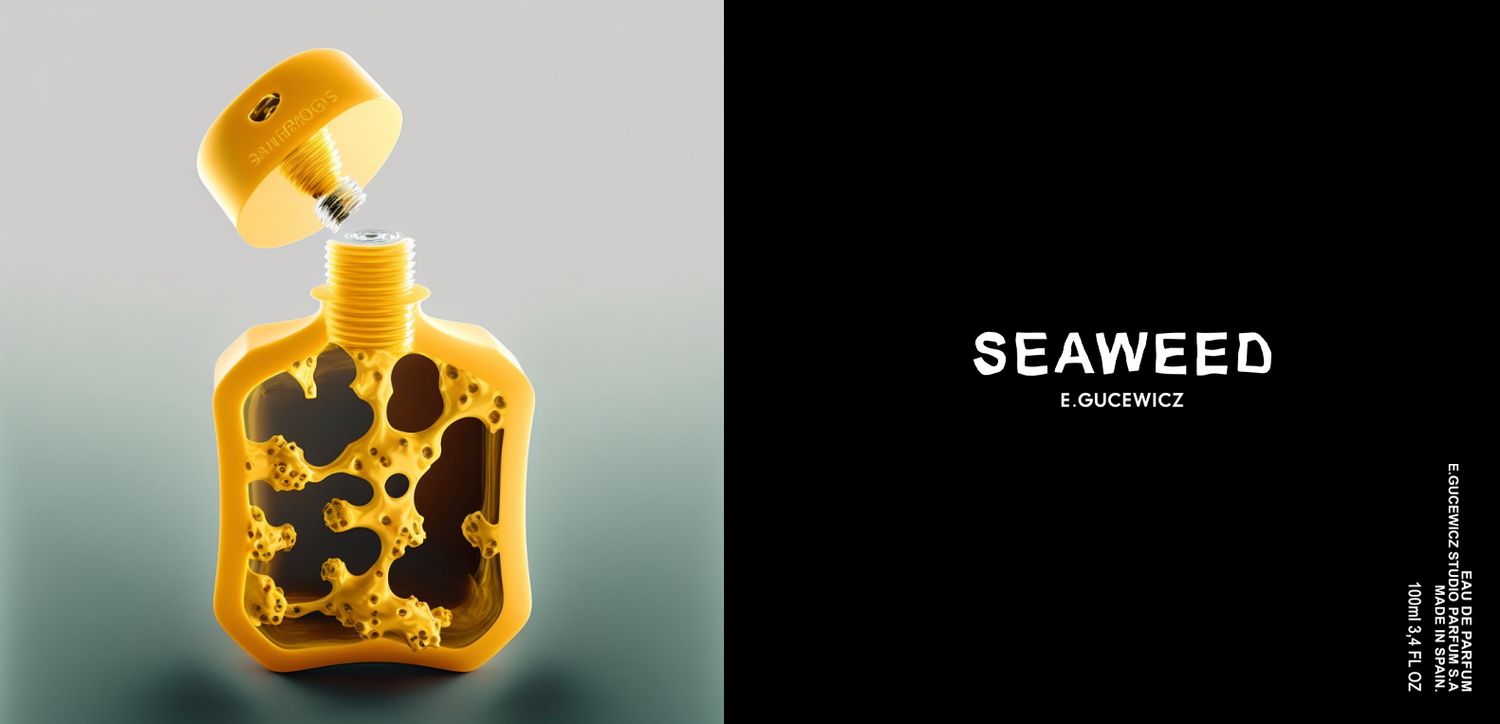
A conceptual perfume design i created using midjourney in 2023 - what impressed then is now considered ai slop, our eye has developed at detection so well over the last 3 years. but in 2026 ai has reached a point of not being able to tell the difference.
AMONG THE photographers and designers I've spoken to ABOUT THIS SOME are following an instinct they haven't fully articulated as a group yet. (Maybe they don't have time to articulate it because many are still reeling from disgust at AI slop or sick of reading headlines about imminent redundancy) BUT whether intentionally or intuitively, I'm noticing the pendulum is swinging back: Towards analogue and grit.
But I sense the pendulum is ONLY just starting its swing. it'll go way beyond grit or grunge or analogue textures- all of which can be synthesised by AI - to what is to come, something harder to fake: Genuine (IE. un-corporatized) Human connection.
Proof of humanity.
IT sounds like a cringe brand or worse: an actual employable certification system using a "made by humans" BADGE label across media, the way Meta and others have already moved towards flagging AI-generated conten. tHIS IS A pauvre protectionist solution. Slapping a provenance label on content - effectively rewarding human-made over AI-made - WILL only reduced the incentive for creative humans to find a real long term solution.

‘made with ai’ badge - like a ‘made by humans’ badge is, like any weak protectionist moves, not a long term solution.
“It’s not news that we have reached a point where a well-executed AI image can - to humans- be indistinguishable from a real photograph.”
The creative task isn't simply to prove AND defend the fact you're human- the challenge is to outperform AI. I am a great believer in humanity and its wit. and while we cannot be more efficient or slick than AI, we can think of things that only a human could have thought of doing in the first place. What that looks like for campaigns and artworks is pushing way beyond 100 year old ideas about imagery and video: evolving how artists actually connect their ideas with people ON A LEVEL WE can ACTuallY FEEL EMOTIONALLY, AS HUMANS.
I don't know what THAT will be yet. But that's the actual creative problem worth solving and i'd wager it involves detachment from technology.
There is a version of this future we're shambling towards that I find oddly reassuring, in Star Trek. In A WORLD SET IN THE DEEP FUTURE, replicators exist: you can have almost anything made for you instantly. and yet handmade, no matter how crued, are honoured far more than any replicatr made. techcnailly perfect objet. this is also expressed emmotionaly, where Captain Picard, who commandS a starship that has incredible technology on board in addition to replicators, choses to visit to his family's vineyard in France, where you see him crushing Château Picard's grapes by foot or covered in mud tending the vines with his brother - Who incidentally NAD POINTEDLY MENTIONS HIS refusAL to allow replicators on the estate at all, on the grounds that the machines destroy people's ability to cook. An extreme position, perhaps. But an understandable one, especially in France.
while picard expresses his humanity - in the face of technology - through traditional winemaking, other creative humans can and do find their own independant paths in order to relate to each other. the point is not that star trek blends the future with nostalgia, its that its an extrapolation of a divergency of trajectories are already forming now for humanity for real:
One is technology's ascendency: it will keep going; cleaner, faster, more capable, eventually able to simulate imperfection so convincingly that even that won't be a reliable tell.
The other is human creative expression, going -as the Hopi prophesied- the other way. Not backward, but tangentially, toward things that require a human to have actually been there, to actually feel something, to actually made decisions about ideas that couldn't have been automated. to do wild and stupid mistakes. Technology, in this reading, doesn't eliminate craft. It clarifies it. It strips away everything that was only ever craft by necessity and leaves behind what was always craft by choice. forces humanity to find new asy of conecting with each other. As we see in the Star trek extrapolation - people choose to ride by horse and cart in a world filled by teleportation devices. I find this collective human reaction entirely plausible.
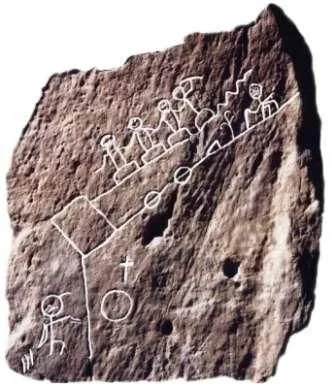
The Hopi prophecy, which some scholars date to around now, describes humanity arriving at a fork: one path continuing the technological trajectory, one veering tangentially toward something else entirely. I find it a useful image, whatever one makes of its provenance.
For now, the Titanium Museum campaign exists as a tiny point somewhere in the middle of this ongoing conversation. The images are AI-generated, yet worked over considerably using new types of human skills, and result in being convincing enough to most human eyes as to believe it's genuine analogue photography. BUT DESPITE THE SATISFYING RESULT, my personal takaway is I WILL BE SHOOTING THE NEXT COLLECION USING HUMAN models, human assistants and a physical STUDIo. SICK OF USING THAT UNRULY WILD HORSE THAT IS AI, I PREFER THE relative TRADITIONALISM OF A DIGIAL SLR.
And SO while i'm tempted to write a tidy and conclusive wrap up to the end of this essay - (and if I wrote it using Ai it would have almost certainly would have done that for me) - i'll end it here without further explination. perhaps that's the more human thing to do.
E
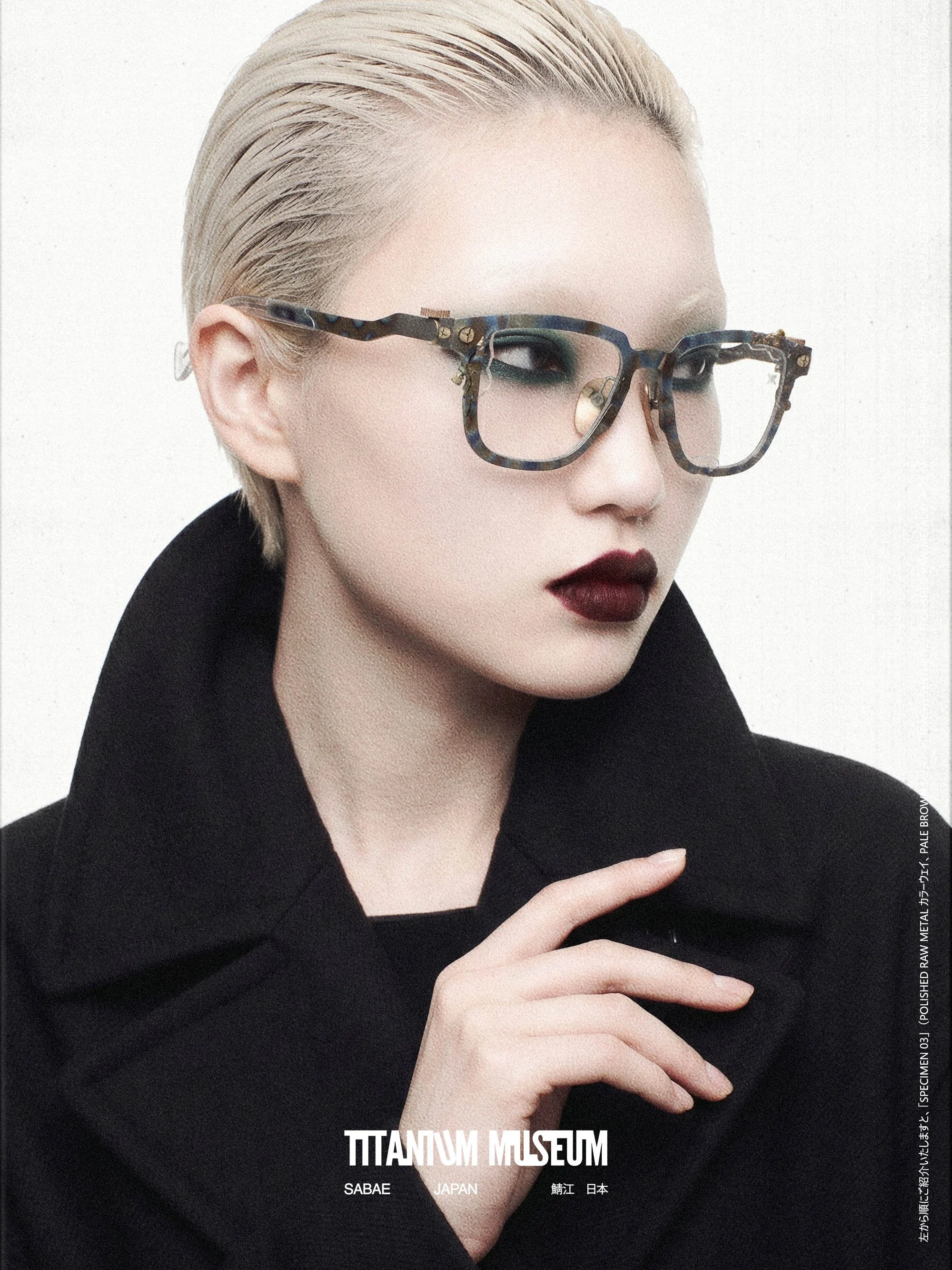
TITANIUM MUSEUM 2026
Thanks for reading! And if you have any further thoughts on this and to discuss more - or wish to challenge any of my opinions - I will be delighted to discuss more!
To get my attention please just comment on my instagram post (link in menu) or contact me here.
